Oct 20 Better Care for Rare Disease Patients: The Power of Quality Improvement
Availability
Registration Required
(900 seats available)
Expires on Nov 30, 2026
Online Meeting
Oct 20, 2026 2:00 PM - 3:00 PM ET
Cost
$0.00
Credit Offered
1 CME (AMA) Credit
1 CME (Other) Credit
1 P.A.C.E. Credit


Better Care for Rare Disease Patients: The Power of Quality Improvement

Tuesday, October 20, 2026 | 2:00 – 3:00 pm ET

1.0 AMA PRA Category 1 Credits™ and P.A.C.E.®

Credit Claiming by November 30, 2026


Session Description

This talk will explore how quality improvement (QI) methodologies can be used to identify gaps in genetic healthcare
and develop practical, sustainable solutions. Through examples from clinical genetics and metabolism, participants will learn how QI tools can improve diagnostic processes, care coordination, communication, and patient outcomes. The presentation will highlight how small, data-driven changes can lead to meaningful improvements in the quality and equity of care for individuals and families living with genetic conditions.


Learning Objectives

At the conclusion of this activity, participants should be able to:


Define the key principles and components of quality improvement (QI) and distinguish QI from research

Identify how the application of QI tools and methodologies differs 

Identify one opportunity within your own practice where a quality improvement approach could meaningfully improve outcomes for patients and families


Target Audience

This activity is designed for clinical geneticists, genetic counselors, laboratory geneticists, genetic counselors, and other healthcare providers who provide comprehensive diagnostic, management, and counseling services for patients with, or at risk for, genetically influenced health problems.


Agenda

Topic / Session

  • 2:00pm – 2:05pm Opening Remarks & Introduction — Henry J. Mroczkowski, MD, PhD, FACMG
  • 2:05pm – 2:45pm Better Care for Rare Disease Patients: The Power of Quality Improvement – Amy M. Kritzer, MD
  • 2:45pm – 3:00pm Q&A

Meet the Faculty


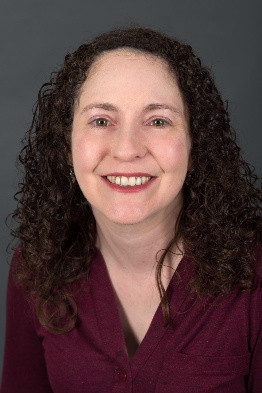
Amy M. Kritzer, MD, FACMG

Clinical Chief, Division of Genetics and Genomics

Director, Metabolism Clinical Program

Boston Children's Hospital

Assistant Professor, Harvard Medical School

Boston, MA


Dr. Amy Kritzer is an attending in the Division of Genetics and Genomics at Boston Children’s Hospital. She graduated from the Albert Einstein College of Medicine in Bronx, NY. She did her Pediatrics residency at The Floating Hospital for Children at Tufts Medical Center in Boston, MA and then completed fellowships in Clinical Genetics and Medical Biochemical Genetics at Boston Children’s Hospital. Her clinical work is focused on the care of children and adults with rare metabolic disorders. She serves as physician lead for Quality Improvement in the Division of Genetics. As QI lead, she creates and implements patient care initiatives designed to improve patient safety and patient and family experience. Her work is dedicated to addressing the psychosocial needs of patients with rare diseases with a focus on improving quality of life. She serves as a Principal Investigator for several lysosomal storage disease registries, as co-director of the BoLD lysosomal storage disease program at Boston Children’s and as one of the main physicians for the PAL clinic.


Translating Genes into Health Webinar Series Planners

Henry J. Mroczkowski, MD, PhD, FACMG (Chair)

University of TN Health Science Ctr


Mari Mori, MD, MS, FACMG

The Ohio State University


Georgianne L. Arnold, MD, FACMG

University of Pittsburgh


Roya M. Mostafavi, MGC

University of Washington School of Medicine


Catherine A. Ziats, MD, FACMG

Cook Children's


Damara Ortiz, MD, FACMG

Children's Hospital of Pittsburgh of UPMC


Daniel Schecter, MD, MS

Mount Sinai School of Medicine


Staff

Jane Radford, MHA, CHCP

Director of Education - ACMG

Accredited Continuing Education Information:

AMA PRA Category 1 CreditTM, ASCLS P.A.C.E.®


Accreditation

The American College of Medical Genetics and Genomics is accredited by the Accreditation Council for Continuing Medical Education (ACCME) to provide continuing medical education for physicians.

Credit Designation
The American College of Medical Genetics and Genomics designates this live activity for a maximum of 1.0 AMA PRA Category 1 Credits™. Physicians should claim only the credit commensurate with the extent of their participation in the activity.

The American Medical Association (AMA) defines physicians as those individuals who have obtained an MD, DO, or equivalent medical degree from another country. Non-physicians may request a certificate of attendance for their participation.


ASCLS P.A.C.E.® CEU's 

ACMG is approved as a provider of continuing education programs in the clinical laboratory sciences by the American Society for Clinical Laboratory Science (ASCLS) Professional Acknowledgment for Continuing Education (P.A.C.E.®) Program.

ACMG is approved by the Florida Board of Clinical Laboratory Personnel as CE Provider (50-11878). ACMG is approved by the California Department of Health Services through the ASCLS P.A.C.E.® (275-200-26-06). This activity has been approved for 0.10 P.A.C.E.® CEU's.

Claiming your Educational Credits

Complete the activity and carefully complete the evaluation form. The deadline to claim educational credits is within 30 days from the date of the activity. Educational credit requests after this date will not be accepted.


Learner Data Consent

ACMG Education reports learner data to respective agency boards and you will be asked for consent during the evaluation process. Your compliance with deadlines and completing evaluations are part of the process in meeting learner needs and ACMG’s education mission.


Technical Support:
You can reach us by email at education@acmg.net or call 301-718-9603.
Support Center Hours: Monday – Friday, 9:00 AM – 5:00 PM Eastern Time.


Accredited Continuing Education Financial Disclosure

The American College of Medical Genetics and Genomics (ACMG) is accredited by the Accreditation Council for Continuing Medical Education (ACCME) to provide Accredited Continuing Education (ACE) for physicians. ACMG is an organization committed to improvement of patient care and general health by the incorporation of genetics and genomics into clinical practice.

ACMG has implemented the following procedures to ensure the independence of ACE activities from commercial influence/promotional bias, the Accreditation Council for Continuing Medical Education (ACCME) requires that providers (ACMG) must be able to demonstrate that: 1) everyone in a position to control the content of an ACE activity has disclosed all financial relationships that they have had in the past 24 months with ineligible* companies; 2) ACMG has implemented a mechanism to mitigate relevant financial relationships; and 3) all financial relationships with ineligible companies are disclosed to the learners before the beginning of the educational activity. The learners must also be informed if no relevant financial relationships exist.

*Ineligible companies are defined as those whose primary business is producing, marketing, selling, re-selling, or distributing healthcare products used by or on patients.

All relevant financial relationships listed have been mitigated.


Name

Role: Presenter/Panelist/Moderator/ Liaison/Planner/Peer Reviewer

Financial Disclosure for 24 Months (relationship is ongoing unless stated)

Amy Kritzer, MD, FACMG

Presenter

Nothing to Disclose

Henry J. Mroczkowski, MD, PhD, FACMG

Moderator, Planner

Nothing to Disclose

Georgianne L. Arnold, MD, FACMG

Planner

Nothing to Disclose

Roya M. Mostafavi, MGC

Planner

Nothing to Disclose

Damara Ortiz, MD, FACMG


Planner


Research Grant: Amicus Therapeutics, Freeline Therapeutics, GC Biopharma, Sanofi and Genzyme US Companies, Uniqure

Daniel Schecter, MD, MS

Planner

Nothing to Disclose

Catherine A. Ziats, MD, FACMG

Planner

Nothing to Disclose

Jane Radford, MHA, CHCP

Staff

Nothing to Disclose

Kim Vadas, MABMH, CHCP, FACEHP

Staff

Nothing to Disclose

© American College of Medical Genetics and Genomics. All rights reserved.

Powered By